Our Roots
The Untold Chapter of Mewar’s History
Explore the historical significance of Kolyari, a rugged haven that offered refuge to warriors and rulers in times of crisis, most notably the legendary Maharana Pratap. Delve into the stories of courage and loyalty that echo through this resilient land.

Maharana Pratap and Kolyari
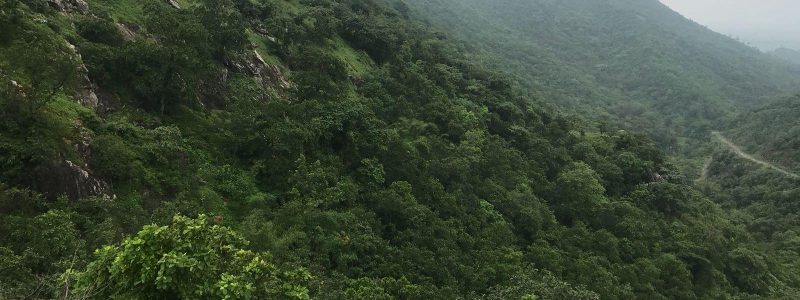
One of the most defining moments in Kolyari’s history is its connection to the legendary Rajput warrior, Maharana Pratap. After his valiant stand against the Mughals in the first Battle of Haldighati in 1576, Maharana Pratap, wounded and pursued by Mughal forces, sought refuge in the forests of Kolyari. These dense woodlands, known for their natural fortifications, became a sanctuary where he could heal, rebuild his army, and strategize his resurgence against the Mughal empire.
The warriors of Kolyari, skilled in guerrilla warfare, played a crucial role in Maharana Pratap’s resistance. They provided him with supplies, intelligence, and unwavering loyalty, ensuring his survival during those critical years. The forests, which had always sustained Kolyari’s people, now served as a shield for the warrior king. This enabled him to reclaim his lost territories, build a new army and forge new weapons.
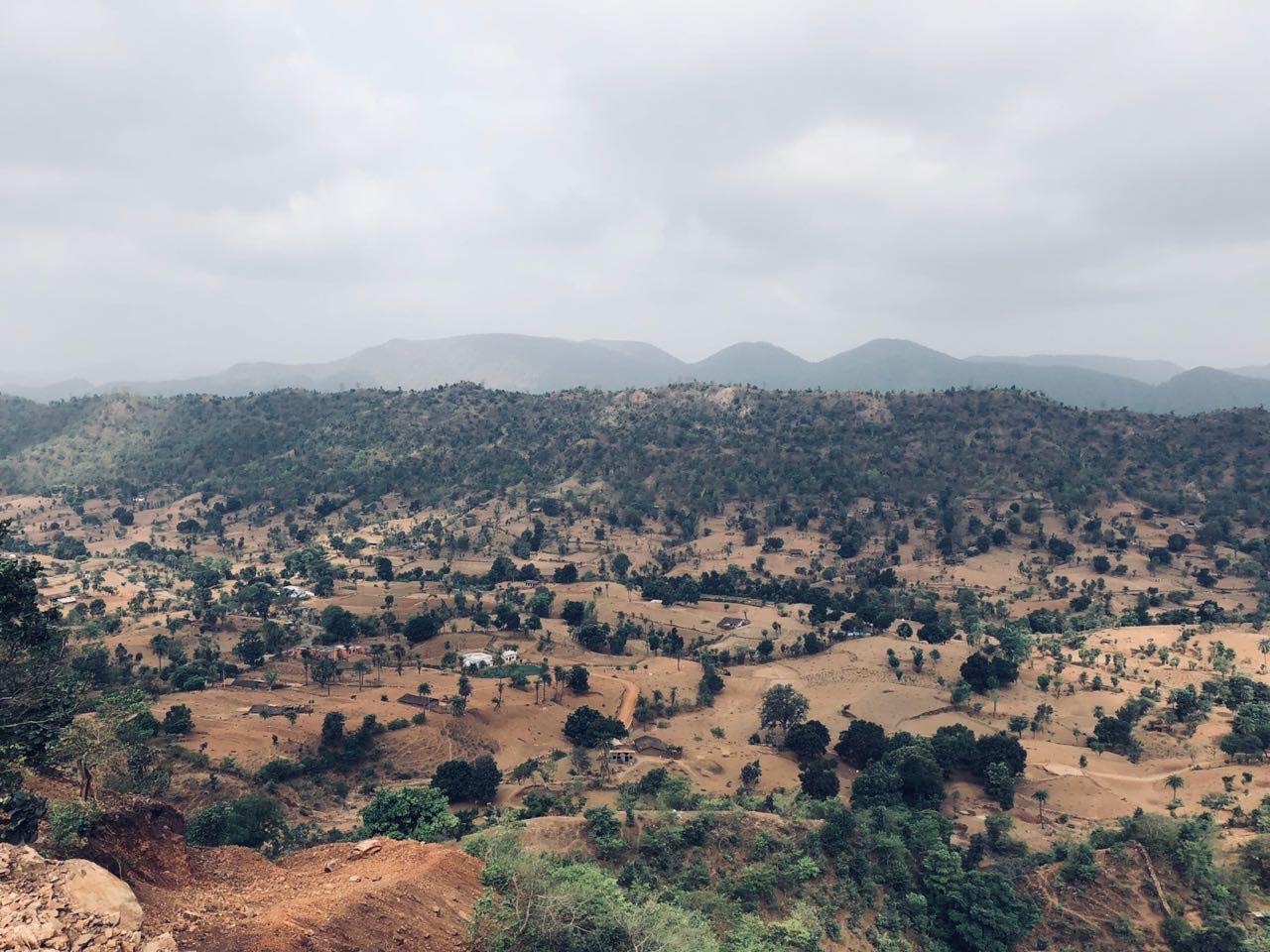
Kolyari, a land shrouded in mystery, courage, and unwavering nationalism, occupies a significant but largely untold space in the history of Mewar. Nestled within the rugged terrains and dense forests of Rajasthan, this region served as a sanctuary for warriors, kings, and revolutionaries. Unlike the well-documented accounts of Mewar’s history, the story of Kolyari was intentionally preserved through generations of oral traditions. This deliberate secrecy ensured that Kolyari could serve as an impenetrable bastion, a last refuge for Mewar’s rulers in times of crisis.
A Society Without Casteism
Every Individual a Warrior
Kolyari’s social structure was unique in its emphasis on unity rather than hierarchy. Here, every person was considered a warrior, regardless of caste or profession.
This collective effort in Kolyari was profoundly bound by a spirit of nationalism. Here, the traditional boundaries of caste dissolved, giving way to an unwavering commitment to protecting the land and its invaluable legacy. Every individual was trained and played a vital role in safeguarding Mewar’s sovereignty. In fact, such was their unity and preparedness that tribal women skillfully managed and defended the fort in the absence of males, particularly when the men went to war. This dedication ensured that Kolyari remained a land where nationalism transcended all divisions, a true testament to their united purpose.
Kolyari's Silent Strength
The Indomitable Women
The women of Kolyari were the steadfast guardians of their land, homes, and heritage, especially when their men were away at war defending Mewar. Far from ordinary, these women possessed remarkable resilience, resourcefulness, and a deep understanding of their environment. They formed clandestine networks, demonstrating extraordinary cunning in intelligence gathering and strategic resistance. Their unique skills included masterful herbal warfare, crafting ingenious traps, and using coded communications to protect their community. These silent forces, often unnamed in formal histories, were farmers, midwives, and potters who transformed their everyday skills into powerful tools of defense. Their legacy lives on in the very fabric of Kolyari – in its land, traditions, and the enduring spirit of bravery and preservation passed down through generations. They are remembered for the lives they protected and the spirit they kept unbroken.
Masters of Stealth and Strategy
Kolyari’s warriors were not only fighters but also master spies. Due to the region’s deep-rooted secrecy, the rulers of Mewar relied on Kolyari’s people for intelligence gathering. The Sepais—many of whom were Muslims—often disguised themselves and infiltrated Mughal camps, bringing back crucial information that helped shape Mewar’s military strategies. This trust between Mewar’s leadership and Kolyari was the result of centuries of loyalty, and the secrecy surrounding the region ensured that its warriors remained an unseen yet powerful force in Mewar’s defense.
A Legacy of Resistance
Rawat Sahab Karan Singh Ji and Motilal Tejawat
The spirit of Kolyari’s resistance endured through the centuries. During the British colonial era, Motilal Tejawat emerged as a key figure in the tribal revolution against British rule. However, he was aided by Rawat Sahab Karan Singh Ji of Kolyari, who secretly funded and orchestrated the movement. Due to his position, Rawat Sahab Karan Singh Ji could not openly challenge British rule, but he ensured that Tejawat had the resources and manpower needed for the rebellion. This support exemplified Kolyari’s enduring tradition of resistance.
Kolyari and Its Forests
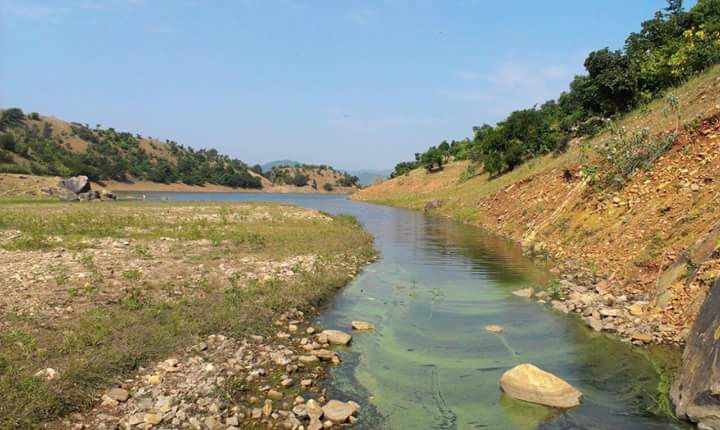
Kolyari’s people have always lived in harmony with nature. The forests were not just their home but also their protector, providing them with food, medicine, and shelter. Even today, walking through the woods of Kolyari is like stepping back in time, where ancient Mahua trees stand as silent witnesses to the region’s storied past. Kolyari was also home to expert Ayurvedic practitioners who understood the medicinal properties of the forests. These healers played a crucial role in treating wounded soldiers, supplying medicine for the Mewar army, and preserving ancient knowledge of herbal treatments.
Kolyari Rawla
One of the most significant structures in Kolyari is the Rawla, a small fort that has stood for centuries. This is where Maharana Pratap was treated after the first Battle of Haldighati. While modified over time, its core structure remains intact. Today, the present Rawat Saheb Kuldeep Singh Ji resides in the Rawla with his family, preserving the legacy of this historic site. Within the Rawla is the Bayan Mataji Temple, established by Maharana Pratap himself. This temple, dedicated to the kuldevi of the Sisodia dynasty, remains a sacred place of worship and a testament to Kolyari’s deep spiritual and warrior traditions.

A Legacy That Refuses to Fade
The story of Kolyari is one of unity, bravery, and unwavering commitment to the ideals of Mewar. Though its history remained hidden for centuries, its impact on Mewar’s survival is undeniable. Today, this legacy is being brought to light, honoring the warriors, protectors, and visionaries of Kolyari and ensuring that its history is shared with the world.
